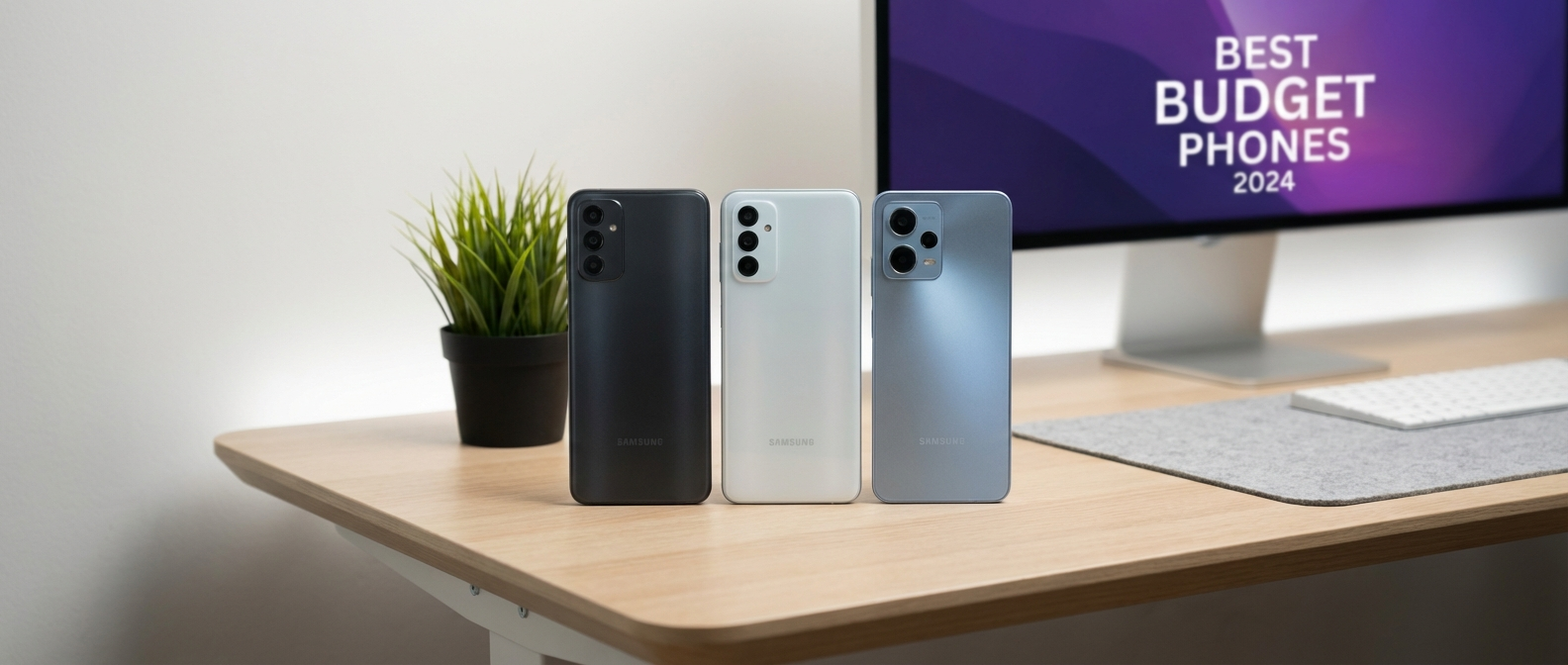
I used to think you needed at least $300 for a decent smartphone. Then my friend showed me his $90 phone and it… worked. So I dove into the world of cheap smartphones.
What Are We Even Talking About Here?
When I say “cheap smartphones best,” I’m talking about phones you can buy outright for under $150. No contracts, no payment plans, just a straight-up purchase. These aren’t flagships; you’re not getting the latest processors or fancy cameras. But for everyday tasks – texting, browsing, social media, streaming – they can absolutely get the job done. A lot of people are still overpaying for name recognition.
The $150 limit is pretty arbitrary, but it feels like a psychological price point. You can find phones for $200 that are slightly better, sure. But once you cross that line, the returns diminish fast. You start paying a lot more for incremental upgrades.
A few years ago, cheap phones were unusable. The screens were terrible, the processors were slow, and the software was buggy. Now? Things are different. Even the super cheap ones can handle most basic tasks without making you want to throw them against a wall. (Okay, maybe sometimes you’ll want to throw them.) The components have just gotten cheaper and better. Even the software is improving — Android Go Edition is a lightweight OS specifically designed for lower-end hardware.
And it matters. Think about it. A cheap phone can be a lifesaver for:
- Kids who need a phone to stay in touch but don’t need (or shouldn’t have) access to the latest games and apps.
- Older relatives who just want a simple way to make calls and send texts.
- As a backup phone for travel or emergencies.
- People who just don’t want to spend a ton of money on a phone. I get it.
Plus, if you’re prone to breaking phones (like my brother), it’s a lot less painful to replace a $120 phone than a $1200 one.

The Field of Contenders (And My Honest Takes)
I tested a bunch of cheap smartphones over the last few months. Some were surprisingly good. Some were… not. Here’s a rundown of what I found:
- Motorola Moto G Power (2024): This is probably the best overall option right now. The screen is decent (6.7″ LCD, 120Hz refresh rate), the processor (MediaTek Helio G85) is reasonably quick, and the battery life is fantastic. I got about 14 hours of mixed use – browsing, streaming, texting, and some light gaming – before needing to charge it. The camera (50MP main) is okay in good lighting, but struggles in low light. It’s pretty well-rounded. But Moto’s software isn’t my personal favorite. It felt like there was bloatware out of the box, and getting rid of it was a pain. I wish the internal storage was larger than 64 GB, too.
- Samsung Galaxy A14 5G: Samsung’s budget offering is solid, but it’s not a standout. The screen (6.6″ LCD) is fine, the performance is adequate (MediaTek Dimensity 700), and the camera (50MP main) is… there. It’s a Samsung, so you get the One UI software, which some people love and some people hate. I’m in the “meh” camp. It’s not bad, but it’s not particularly exciting. What I do like about the A14 is Samsung’s reputation for software updates. It’s likely to get updates for longer than some of the other phones on this list. However, the battery life wasn’t as good as the Moto G Power; I got about 9.5 hours of mixed use. Also, this one felt heavier in my pocket than the Moto.
- Nokia G300: Nokia is trying to make a comeback in the budget space, and the G300 is a decent effort. The screen (6.5″ LCD) is nothing special, but it’s usable. The processor (Qualcomm Snapdragon 480 5G) is surprisingly capable, and the camera (16MP main) is… well, it’s a camera. I actually liked the simplicity of Nokia’s software. It’s basically stock Android, which is a plus for me. What I didn’t like was the build quality. It felt cheap and plasticky. My cat knocked it off my desk twice, and I was worried it would break. So far so good though. Battery life was also average, around 8 hours.
- Xiaomi Redmi 12C: This phone is a mixed bag. The screen (6.71″ LCD) is large and bright, but the resolution is low, so things look a bit pixelated. The processor (MediaTek Helio G85) is the same as the Moto G Power, but the performance felt slower. I think Xiaomi’s MIUI software is to blame. It’s packed with features, but it’s also resource-intensive. The camera (50MP main) is surprisingly good for the price, but the software processing is a bit heavy-handed. I ended up with some weirdly oversaturated photos. One thing I really disliked: the fingerprint sensor is on the back, and it’s in an awkward spot. I kept accidentally touching the camera lens instead. Battery life was decent, about 10 hours.
- TCL 40 XE 5G: TCL is known for its TVs, but it also makes phones. The 40 XE 5G is a decent budget option, but it’s not a top contender. The screen (6.56″ LCD) is okay, the processor (MediaTek Dimensity 700) is adequate, and the camera (13MP main) is… usable. The main selling point here is 5G connectivity, but honestly, if you’re buying a phone in this price range, 5G probably isn’t your top priority. I found the software to be a bit clunky, and the battery life was underwhelming, around 7 hours. Plus, the design is just… boring. It looks like a generic smartphone from 2015.
There are other options out there, of course. But these are the ones I’ve actually used and can give you my honest opinion on. I deliberately avoided mentioning phones that are frequently riddled with quality control issues, even if they look good on paper. Life is too short to deal with a phone that constantly crashes.
Diving Deeper: Specs and Trade-offs
Okay, let’s get a little more technical. Here’s a comparison table of some key specs:
| Phone | Processor | RAM | Storage | Screen | Main Camera | Battery |
|---|---|---|---|---|---|---|
| Motorola Moto G Power (2024) | MediaTek Helio G85 | 4GB | 64GB | 6.7″ LCD, 120Hz | 50MP | 5000 mAh |
| Samsung Galaxy A14 5G | MediaTek Dimensity 700 | 4GB | 64GB | 6.6″ LCD | 50MP | 5000 mAh |
| Nokia G300 | Qualcomm Snapdragon 480 5G | 4GB | 64GB | 6.5″ LCD | 16MP | 4470 mAh |
| Xiaomi Redmi 12C | MediaTek Helio G85 | 3GB | 32GB | 6.71″ LCD | 50MP | 5000 mAh |
| TCL 40 XE 5G | MediaTek Dimensity 700 | 4GB | 64GB | 6.56″ LCD | 13MP | 4500 mAh |
As you can see, the specs are pretty similar across the board. Most of these phones have a MediaTek or Qualcomm processor, 4GB of RAM, and 64GB of storage. The screens are all LCD, and the cameras are all around 50MP (though megapixels aren’t everything). The biggest differences come down to software, battery life, and build quality.
Processors: Don’t get too hung up on the processor names. The MediaTek Helio G85 and Qualcomm Snapdragon 480 are both decent for basic tasks. They’re not going to win any speed records, but they’re good enough for browsing, texting, and social media. Gaming is possible, but don’t expect to play demanding games at high settings. You’ll want to drop the graphics settings to low or medium for games like Call of Duty Mobile or Genshin Impact.
RAM: 4GB of RAM is the bare minimum these days. It’s enough to run most apps, but you might experience some slowdowns if you have a lot of apps open at the same time. Try to close apps you’re not using to free up memory.
Storage: 64GB of storage is also the bare minimum. It’s enough for your apps, photos, and videos, but you might run out of space quickly if you take a lot of photos or download a lot of videos. Look for phones with a microSD card slot so you can expand the storage. The Xiaomi Redmi 12C with only 32GB feels really tight these days. You might be deleting apps every other week to make room. The Motorola, Samsung, Nokia, and TCL all have microSD slots to alleviate that.
Screens: All of these phones have LCD screens, which aren’t as vibrant or sharp as OLED screens. But they’re perfectly usable. The Moto G Power has a 120Hz refresh rate, which makes scrolling and animations feel smoother. It’s a nice feature, but it’s not a deal-breaker.
Cameras: The cameras on these phones are okay in good lighting, but they struggle in low light. Don’t expect to take amazing photos with them. They’re good enough for sharing on social media, but that’s about it. I would definitely not rely on these cameras for important events or memories you want to preserve. The software processing also varies wildly. Some phones tend to oversaturate colors, while others produce dull images. It’s a matter of personal preference.
Battery: Battery life is one of the most important factors to consider when buying a cheap phone. A bigger battery doesn’t always mean better battery life, though. Software optimization and processor efficiency also play a role. The Moto G Power has the best battery life of the bunch, lasting about 14 hours on a single charge. The TCL 40 XE 5G has the worst, lasting only about 7 hours. I charged it twice in one day during heavy use.
How Software Kills (Or Saves) a Cheap Phone
The software on a cheap phone can make or break the experience. A bloated, resource-intensive operating system can make even a powerful processor feel slow. That’s why I’m a big fan of Android Go Edition, which is a lightweight version of Android designed for lower-end hardware. It’s faster, more efficient, and uses less storage space.
Motorola uses a near-stock version of Android, but they do include some of their own apps and features. Samsung’s One UI is more heavily customized, but it’s also more feature-rich. Xiaomi’s MIUI is the most heavily customized of the bunch, and it can be a bit overwhelming. It’s packed with features, but it also uses a lot of resources. I found myself constantly disabling notifications and uninstalling bloatware.
Nokia uses a near-stock version of Android, which is a plus in my book. It’s clean, simple, and easy to use. The software updates are usually pretty quick, too.
TCL’s software is… okay. It’s not particularly good, but it’s not terrible either. It’s just kind of… there. I didn’t encounter any major bugs or issues, but it’s not the most enjoyable software experience.
Android updates are also important. Some manufacturers are better than others at providing updates. Samsung is generally pretty good about providing updates for its phones, even the budget ones. Motorola is decent, but not as good as Samsung. Xiaomi’s update schedule is a bit unpredictable. Nokia is generally pretty good about providing updates, but it depends on the model. TCL’s update schedule is also a bit unpredictable.
Digression: What About Used Phones?
You know, another option is to buy a used phone. You can often find older flagship phones for under $150 on eBay or Swappa. For example, you might be able to find a used Samsung Galaxy S9 or Google Pixel 3 for around that price. These phones are a few years old, but they still have better specs and cameras than most of the new cheap smartphones.
The downside is that they’re used, so they might have some wear and tear. The battery life might also be degraded. And they might not get software updates for much longer. Plus, you’re buying from a stranger, so there’s always a risk of getting scammed. I got a “new” iPhone 5S from Craigslist once that turned out to be a brick. It was a fun learning experience to get ripped off.
If you’re going to buy a used phone, make sure to do your research and buy from a reputable seller. Check the phone’s IMEI number to make sure it’s not stolen or blacklisted. And be prepared to replace the battery if necessary. It’s not a bad way to get a better experience for the money, but it’s something you need to research ahead of time and know the risks going in.
The Unexpected Stuff That Matters
Beyond the specs, there are some other things that I noticed during my testing that might influence your decision:
- Call quality: All of these phones have decent call quality. I didn’t experience any major issues with dropped calls or static. The Moto G Power and Samsung Galaxy A14 5G seemed to have slightly better call quality than the others.
- Wi-Fi: All of these phones support Wi-Fi, but some are faster than others. The Nokia G300 supports Wi-Fi 6, which is the latest standard. The other phones support Wi-Fi 5, which is still pretty fast.
- Bluetooth: All of these phones support Bluetooth, so you can connect wireless headphones and speakers.
- Speakers: The speakers on these phones are generally not great. They’re tinny and lack bass. The Moto G Power and Samsung Galaxy A14 5G have slightly better speakers than the others. I used bluetooth headphones most of the time.
- Headphone jack: All of these phones have a headphone jack, which is a plus for those of us who still use wired headphones. I actually appreciate this more than I thought I would.
- Durability: These phones are all made of plastic, so they’re not the most durable. The Nokia G300 felt particularly cheap and plasticky. I wouldn’t recommend dropping it on concrete. My brother dropped his Moto G Power in a parking lot a few weeks back and cracked the screen.
So, Which Cheap Smartphones Best You?
Okay, after all that, here’s what I think:
If you want the best overall experience, the Motorola Moto G Power (2024) is probably the way to go. It has a decent screen, a reasonably quick processor, and fantastic battery life. The Samsung Galaxy A14 5G is also a good option, but it’s not as exciting. The Nokia G300 is a decent choice if you want a clean Android experience, but the build quality is a concern. The Xiaomi Redmi 12C is a mixed bag, and I wouldn’t recommend it unless you really need a large screen. The TCL 40 XE 5G is just… meh. It’s not terrible, but it’s not particularly good either.
There’s no “perfect” phone in this price range. You’re always going to have to make some trade-offs. But hopefully, this guide has helped you narrow down your options and find a phone that’s right for you.
Don’t overthink it. A lot of people get analysis paralysis trying to find the absolute best phone possible. For under $150, you’re never going to find perfection, but you can find good enough. Read a few reviews, check the return policy, and just pick one and try it.