Okay, here’s that blog post:
“`html
Tired of Windows nagging you to upgrade? Mac prices giving you heart palpitations? There’s another way. It’s called Linux, and for most everyday computer tasks, it’s *way* better than you think.
Free Yourself: Why I Switched to Linux (And Why You Should Too)
Okay, let’s be real. The name “Linux” doesn’t exactly scream “user-friendly.” Images of command lines and hardcore programmers probably spring to mind. But that’s not the whole story anymore. For the average person checking email, browsing the web, writing documents, and even doing some light photo editing, Linux is a surprisingly viable – and often superior – alternative to Windows and macOS.
Why make the switch? First and foremost: it’s free. Completely free. No licensing fees, no hidden costs, nothing. You can download it, install it on as many computers as you want, and never pay a dime. Think about that. A fully functional operating system, comparable to Windows 11 (which, let’s face it, is bloated and annoying), for free. That’s a win in my book.
Secondly, Linux is incredibly customizable. This can be overwhelming at first, but it also means you can tailor your operating system to perfectly fit your needs. Want a minimalist desktop with only the essential apps? Done. Want a system that looks and feels exactly like macOS? There’s a theme for that. This flexibility is a massive advantage. My old Dell Inspiron laptop, which was practically unusable with Windows 10, runs like a champ with Linux. It’s breathed new life into it, saving me from having to shell out for a new machine.
And finally, security. Linux is generally considered more secure than Windows. The open-source nature of the OS means that vulnerabilities are usually found and patched quickly. Plus, because it’s less of a target for malware (simply because fewer people use it compared to Windows), you’re less likely to get infected with a virus. I’m not saying it’s impervious to malware (nothing is), but it’s definitely a safer bet. Honestly, that peace of mind alone is worth the effort of switching.
Choosing Your Weapon: My Top Linux Distro for Beginners
So, you’re sold on the idea of Linux, but now you’re faced with a bewildering array of choices. “Distro” is short for “distribution”, and it basically means a specific version of Linux bundled with a desktop environment and pre-installed software. Think of it like different flavors of ice cream. They’re all ice cream, but they taste different.
Here’s the thing: not all distros are created equal, especially for beginners. Some are incredibly technical and require a lot of command-line knowledge. Others are designed to be as user-friendly as possible. My top recommendation for anyone new to Linux is Linux Mint (Cinnamon Edition).
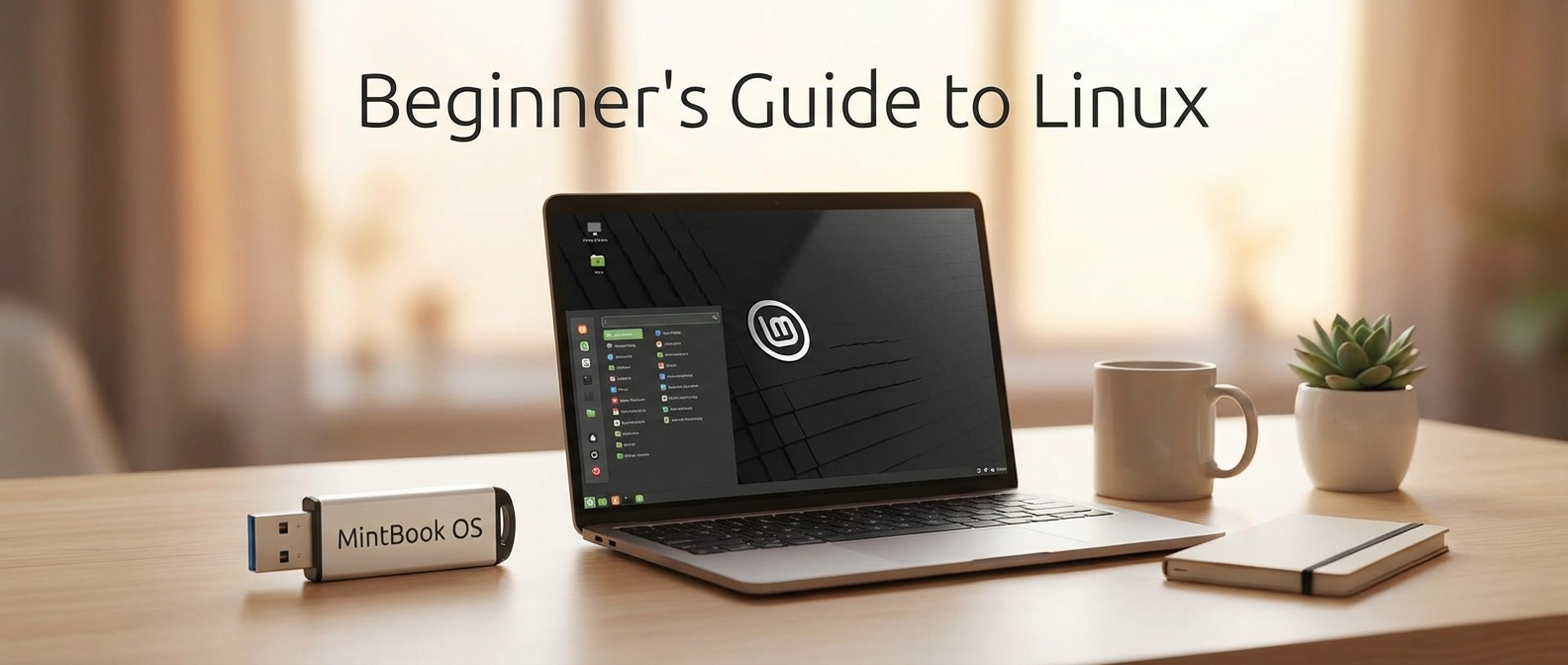
Why Mint? It’s simple. It’s intuitive. It looks and feels familiar, especially if you’re coming from Windows. It comes with most of the software you’ll need pre-installed: a web browser (Firefox), an office suite (LibreOffice), a media player (VLC), and more. You can literally install it and start using it immediately without having to hunt down and install extra software. Trust me, that’s a huge plus when you’re just starting out.
Look, other popular “beginner-friendly” distros like Ubuntu are good too. But I’ve found that Ubuntu’s Snap package management system can be a bit clunky and resource-intensive, especially on older hardware. Mint uses the more traditional APT package manager, which I find faster and more reliable. Also, Ubuntu’s default GNOME desktop environment, while sleek and modern, can be a bit overwhelming for new users. Cinnamon, Mint’s default desktop environment, is more traditional and easier to navigate.
Here’s a quick comparison:
| Feature | Linux Mint (Cinnamon) | Ubuntu (GNOME) |
|---|---|---|
| Desktop Environment | Cinnamon (Windows-like) | GNOME (Modern, Customizable) |
| Package Manager | APT | APT & Snap |
| Resource Usage | Generally lower | Slightly higher |
| Ease of Use (Beginner) | Excellent | Very Good |
Now, a minor caveat: Linux Mint doesn’t push updates as aggressively as Ubuntu. This can be a good thing (less chance of things breaking), but it also means you might be running slightly older versions of some software. However, you can easily update everything manually, and in my experience, the stability trade-off is worth it.
Installation: Easier Than You Think
Okay, this is the part that scares most people. Installing a new operating system sounds complicated, right? It doesn’t have to be. In fact, installing Linux Mint is often easier than installing Windows. Here’s a simplified overview:
- Download the ISO file: Go to the Linux Mint website and download the Cinnamon Edition ISO file. It’s free, of course.
- Create a bootable USB drive: You’ll need a USB drive (at least 4GB) and a program like Rufus (free) to create a bootable USB drive from the ISO file. Rufus is dead simple to use.
- Boot from the USB drive: Restart your computer and enter the BIOS/UEFI settings (usually by pressing Delete, F2, or F12 during startup). Change the boot order to prioritize the USB drive.
- Follow the on-screen instructions: Once you boot from the USB drive, you’ll be greeted with a live environment of Linux Mint. You can try it out without installing it. To install, just double-click the “Install Linux Mint” icon on the desktop and follow the prompts.
The installer will guide you through the process of partitioning your hard drive and installing the operating system. You can choose to install it alongside Windows (dual-boot) or replace Windows entirely. For beginners, I’d recommend dual-booting at first, so you can easily switch back to Windows if needed.
Seriously, don’t be intimidated by the installation process. There are tons of tutorials online (both written and video) that can guide you through every step. And if you get stuck, the Linux Mint community is incredibly helpful and welcoming. A quick search online will usually yield the answer.
Living in Linux: What to Expect
So, you’ve installed Linux Mint. Now what? Well, you can start using it! As I mentioned earlier, most of the software you’ll need is already pre-installed. Firefox is there for browsing the web. LibreOffice is there for writing documents and creating spreadsheets. VLC is there for playing media files. It’s really that simple.
Now, there are a few things you might need to get used to. Some Windows programs might not be directly compatible with Linux. However, there are often Linux alternatives available. For example, instead of Photoshop, you can use GIMP (a powerful open-source image editor). Instead of Microsoft Office, you can use LibreOffice. And for many other Windows programs, you can use Wine, a compatibility layer that allows you to run Windows applications on Linux. It’s not perfect, but it works surprisingly well for many programs.
Another thing to be aware of is that drivers for some hardware devices might not be automatically installed. This is becoming less of an issue as Linux’s hardware support improves, but you might need to manually install drivers for certain printers, scanners, or other peripherals. Again, the Linux Mint community is a great resource for finding drivers and getting help with hardware compatibility.
And that’s it! You’re now a Linux user. Welcome to the club. You’ve taken your first steps towards a more open, customizable, and secure computing experience. You’ll find your favorite linux distro for beginners and then customize it to be your own.
The Takeaway: Just Try It
Honestly, the best way to find out if Linux is right for you is to just try it. Download Linux Mint, create a bootable USB drive, and give it a spin. You can even run it from the USB drive without installing it on your hard drive. You’ve got nothing to lose and a whole world of open-source possibilities to gain. I think you’ll be surprised at how easy and enjoyable it can be. And who knows, you might just end up switching to Linux full-time, like I did.